Jul 9th 2026
Troubleshooting IP Camera Overheating Issues: A Guide for Security Installers and Integrators
INDEX :
-
- Why Do IP Cameras Overheat?
- How Overheating Impacts Camera Performance
- Best Practices for Preventing IP Camera Overheating
- When to Replace vs. Troubleshoot
- Recommended Products for High-Temperature Surveillance Installations
- Partner with a Wholesale Supplier That Understands the Installer Community
In the world of video surveillance, reliability is everything. When an IP camera overheats, it can lead to image degradation, intermittent outages, shortened equipment lifespan, and costly service calls. For security installers and system integrators, understanding the causes of overheating—and knowing how to prevent it—can help reduce downtime, increase customer satisfaction, and protect your reputation.
As a wholesale low voltage supplier serving the installer and integrator community, we've seen firsthand how proper product selection, installation practices, and environmental planning can prevent many common overheating issues.
Why Do IP Cameras Overheat?
While modern IP cameras are designed to operate in challenging environments, excessive heat can push them beyond their recommended operating temperatures.
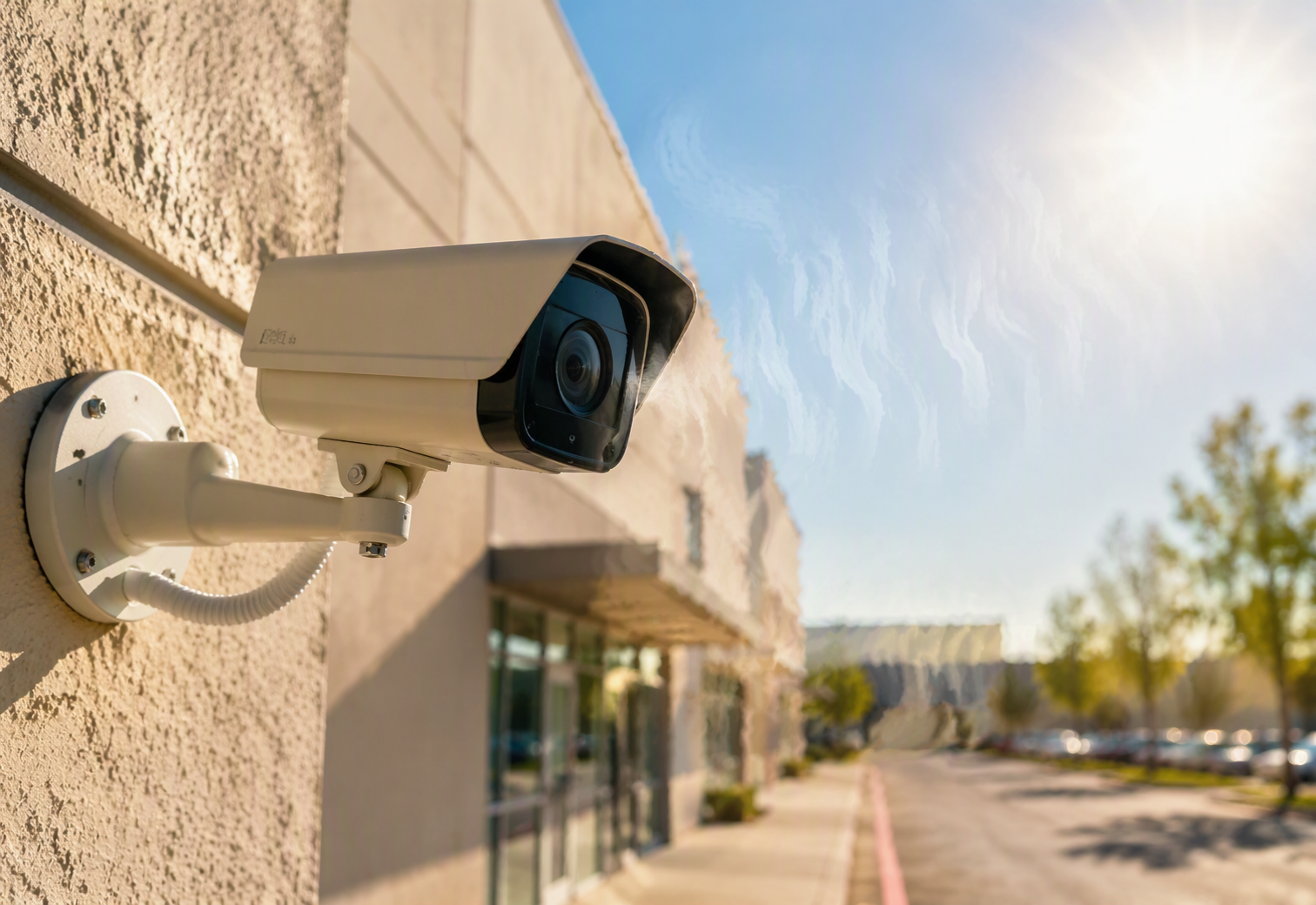
Common causes include:
1. Direct Sun Exposure
Outdoor cameras mounted in direct sunlight often experience temperatures significantly higher than the ambient air temperature.
Dark-colored housings and metal mounting surfaces can further amplify heat buildup.
Common signs:
-
- Video image distortion
- Random camera reboots
- Temporary loss of video feed during peak daytime temperatures
- Accelerated wear on internal components
2. Poor Ventilation
Indoor cameras installed inside electrical enclosures, ceilings, telecom closets, or other confined spaces may not have adequate airflow.
Heat generated by the camera itself can accumulate over time.
3. High-Power Features
Advanced analytics, onboard AI processing, infrared illuminators, heaters, and high-resolution image sensors generate additional heat.
Cameras performing multiple functions simultaneously typically run hotter than basic surveillance devices.
4. Improper Power Delivery
Power issues can contribute to overheating.
Using low-quality PoE switches, overloaded power supplies, or improper voltage can place stress on camera electronics.
5. Environmental Conditions
Installations in:
-
- Parking lots
- Warehouses
- Manufacturing facilities
- Rooftops
- Utility yards
often expose devices to extreme temperatures that can exceed standard operating specifications.
How Overheating Impacts Camera Performance:
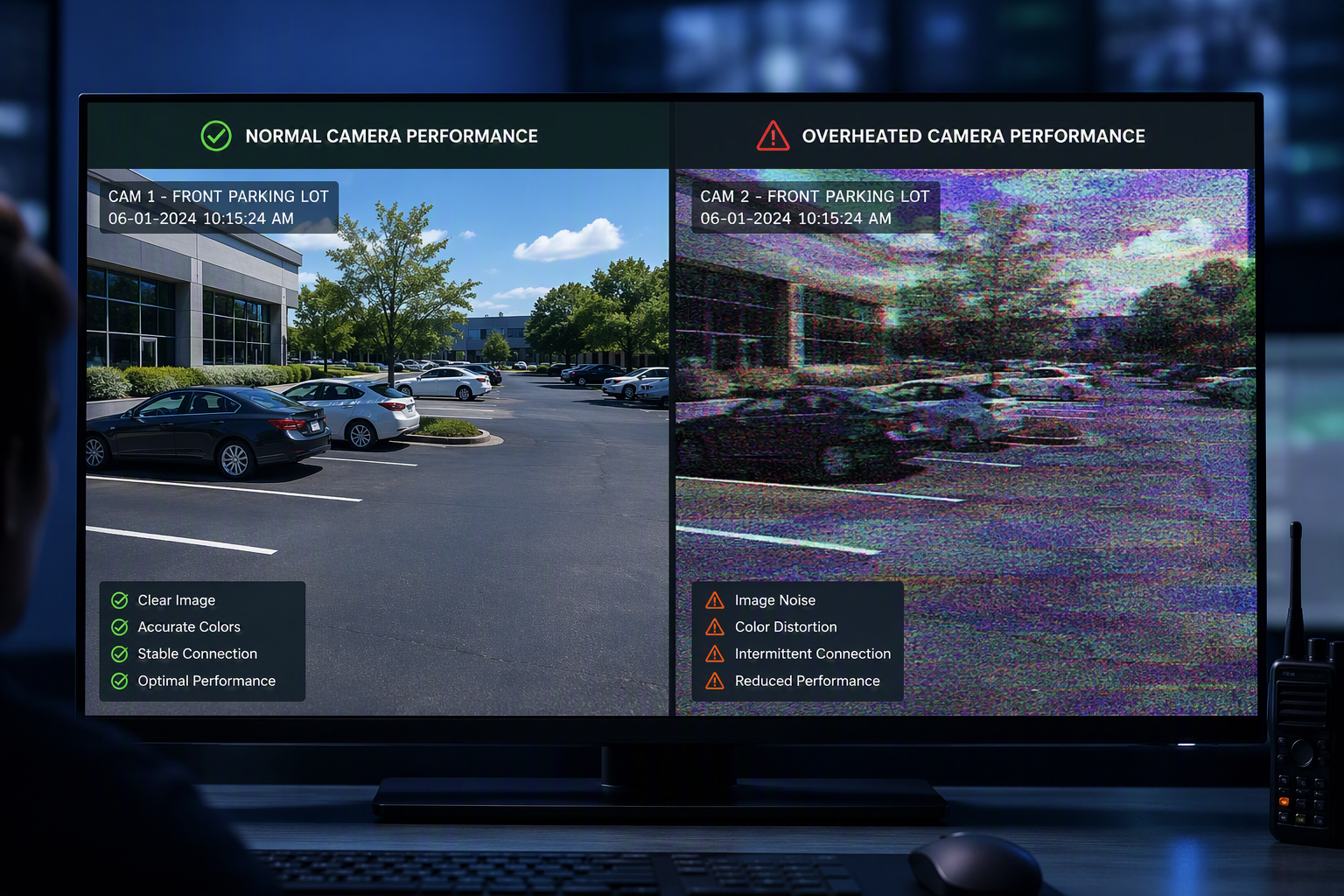
Heat-related problems don't always result in immediate failure.
Many cameras experience gradual degradation before complete shutdown occurs.
Potential consequences include:
Image Quality Issues
Excessive sensor temperatures can introduce:
-
- Increased digital noise
- Reduced image clarity
- Color inaccuracies
- Lower nighttime performance
Unexpected Reboots
Many IP cameras include thermal protection mechanisms.
When internal temperatures exceed safe thresholds, the device may automatically reboot or temporarily shut down.
Reduced Hardware Lifespan
Electronic components generally experience accelerated aging when exposed to sustained high temperatures.
This can lead to premature failures of:
-
- Image sensors
- Processors
- Storage components
- Power circuitry
Network Connectivity Problems
Overheating can affect network interfaces and PoE circuitry, resulting in intermittent connectivity and communication issues.
Best Practices for Preventing IP Camera Overheating
Professional installers can avoid many heat-related problems by following a few key design principles during deployment.
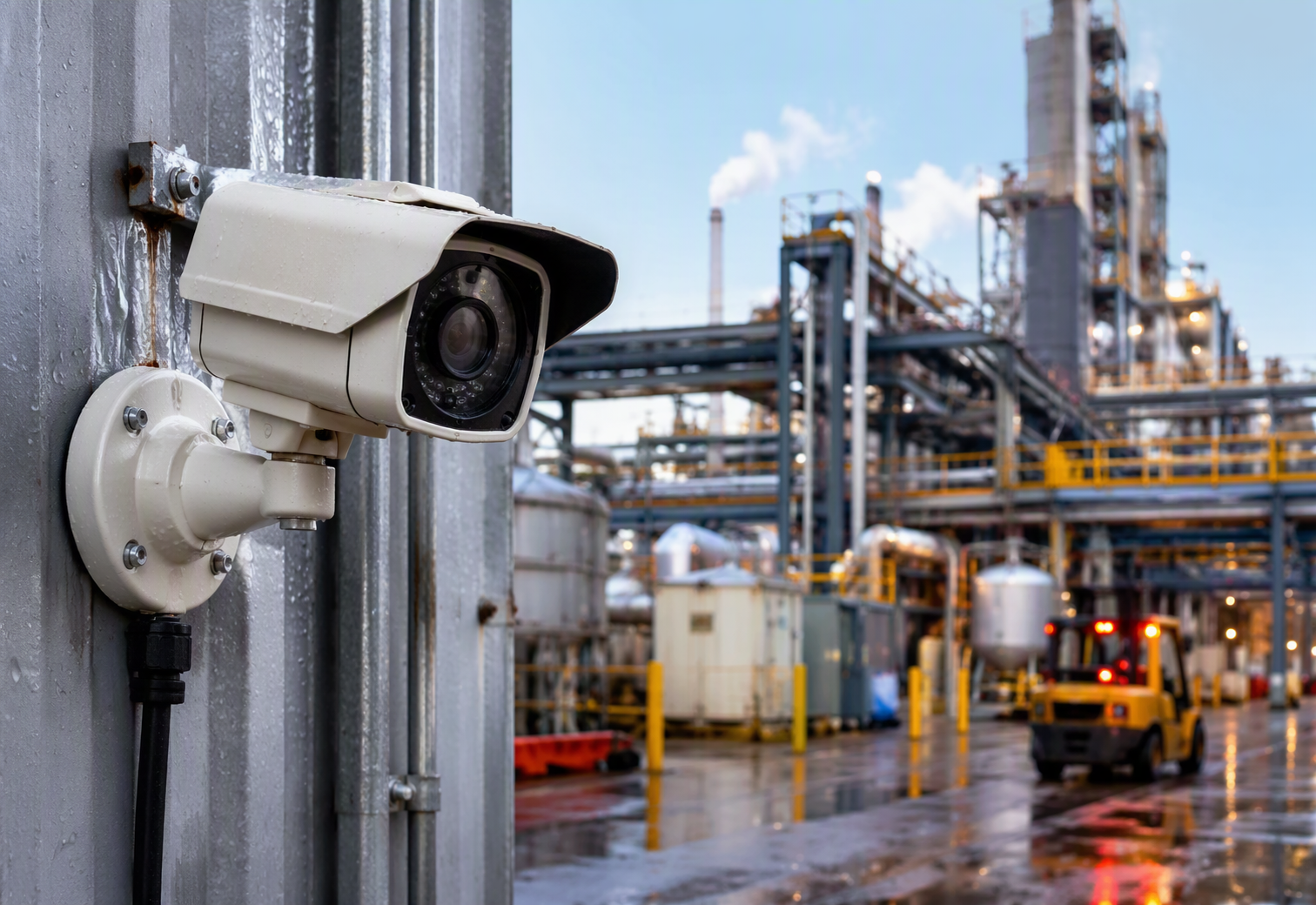
Select Cameras Rated for the Environment
Before specifying equipment, verify the manufacturer's operating temperature range.
For high-temperature installations, look for cameras designed with:
-
- Industrial-grade components
- Extended temperature ratings
- Enhanced thermal management
- Outdoor weatherproof housings
Deploying the proper camera from the start often eliminates future service headaches.
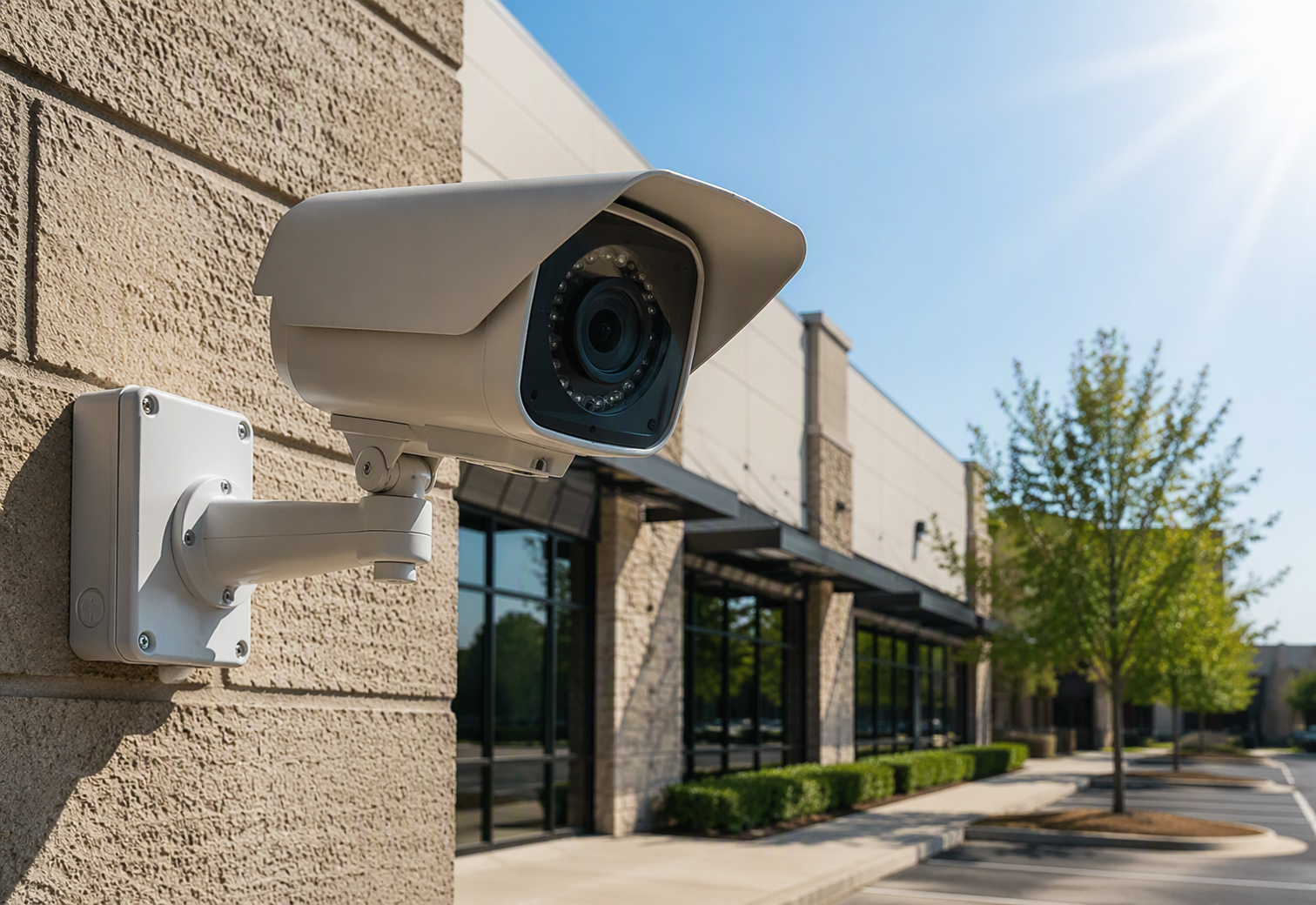
Use Sun Shields and Protective Housings
For outdoor applications, accessories can significantly reduce solar heat gain.
Consider:
-
- Camera sunshields
- Environmental housings
- Pole-mounted protective covers
- Reflective mounting solutions
These additions help shield sensitive electronics from direct sunlight and extreme heat.
Optimize Mounting Locations
Whenever possible:
✅ Mount under soffits or awnings
✅ Utilize shaded areas
✅ Avoid positioning cameras above heat-generating equipment
✅ Leave adequate space around cameras for airflow
A simple relocation of a few feet can dramatically affect operating temperatures.
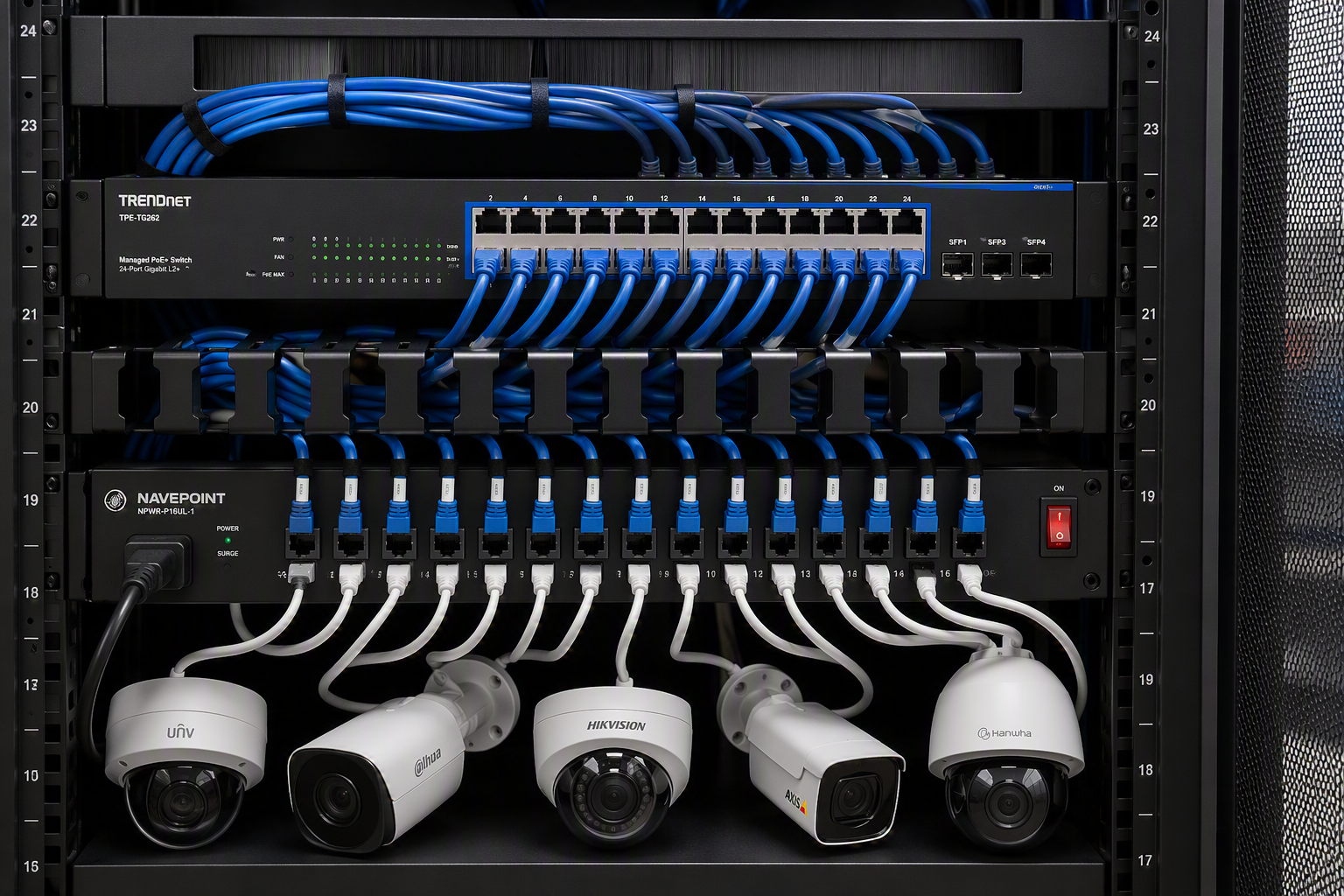
Verify PoE Infrastructure
Your camera system is only as reliable as its power source.
When designing surveillance networks:
-
- Use quality PoE switches
- Avoid exceeding switch power budgets
- Select certified cabling
- Verify power delivery under full system loads
Stable power helps reduce electrical stress on camera components.
Monitor Device Health
Many enterprise IP cameras offer built-in diagnostics that report:
-
- Internal temperature
- Voltage levels
- System health metrics
- Event logs
Encourage customers to incorporate camera monitoring into their overall network management strategy.
When to Replace vs. Troubleshoot
Not every overheating complaint requires a camera replacement.
Start by checking:
-
- Installation environment
- Power source
- Ventilation
- Firmware updates
- Camera settings
- Physical obstructions
If problems persist despite correcting environmental factors, the camera may have sustained long-term thermal damage and require replacement.
For critical security applications, proactive replacement is often more cost-effective than repeated service calls.
Recommended Products for High-Temperature Surveillance Installations
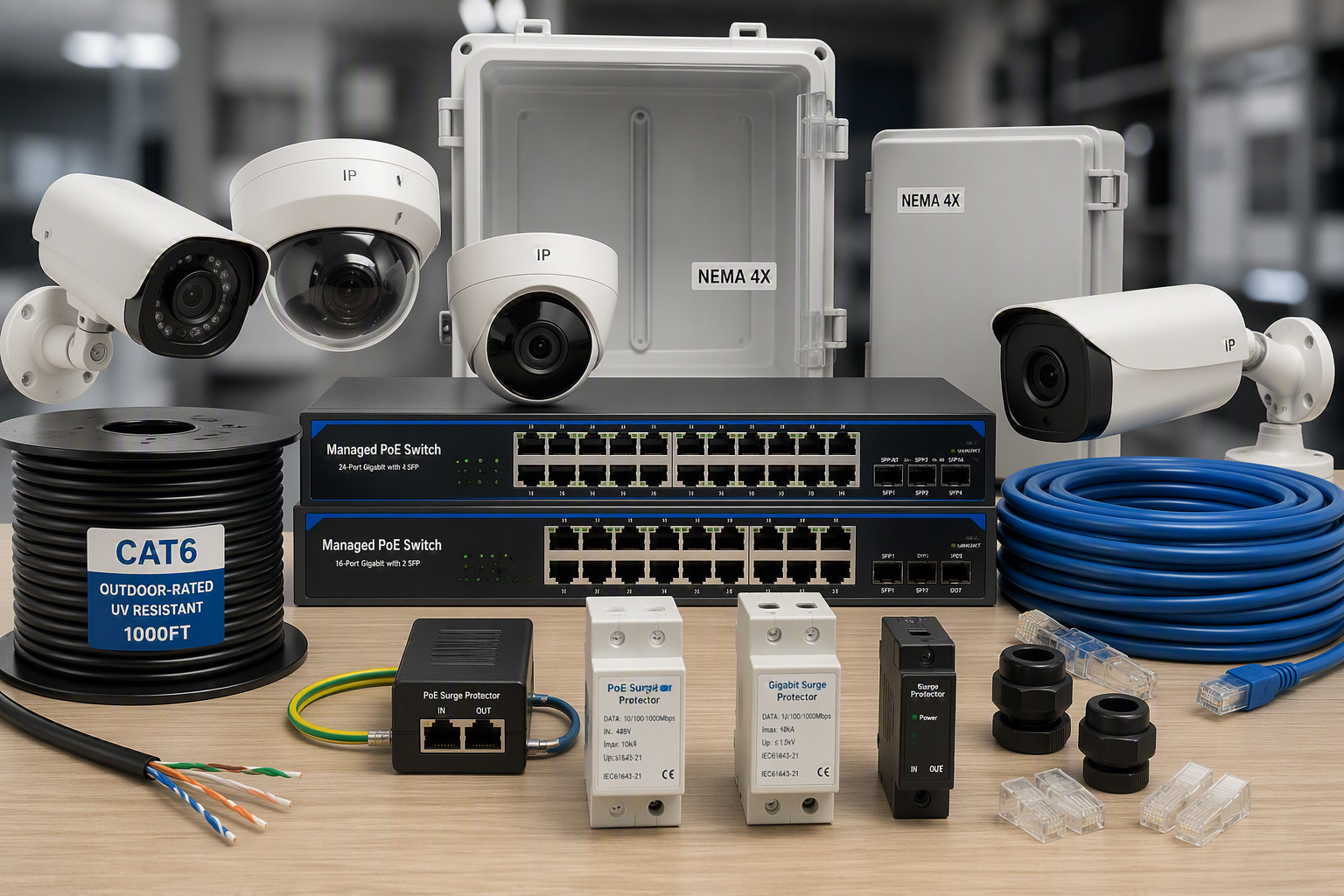
As a wholesale low voltage supply partner for security professionals, we recommend sourcing surveillance equipment specifically designed for demanding environments.
Key categories to consider include:
-
- Industrial-grade IP cameras
- Outdoor-rated dome cameras
- Bullet cameras with integrated sunshields
- Managed PoE switches
- Surge protection devices
- Outdoor-rated Cat6 cabling
- NEMA-rated enclosures
- Pole and wall mounting accessories
Pairing the right camera with quality infrastructure components helps ensure long-term reliability and reduces costly callbacks.
Partner with a Wholesale Supplier That Understands the Installer Community

At BLVS, we work with security installers, integrators, and low voltage professionals every day. Whether you're building a new surveillance system or upgrading an existing deployment, having access to the right products and technical expertise can make all the difference.
From enterprise-grade IP cameras and PoE networking equipment to outdoor enclosures and mounting solutions, we stock the products professionals need to deliver reliable installations in even the most challenging environments.
Need help selecting cameras for high-temperature applications?
Contact our team today for product recommendations, pricing, and expert support tailored to security professionals and low voltage contractors.