Jul 14th 2026
The Complete Guide to Modern Lock Installation for Integrators: Tools, Technologies & Best Practices
INDEX :
Modern security projects demand much more than simply mounting a lock on a door. Today’s professional installers, low-voltage contractors, and security system integrators are expected to deploy solutions that combine physical security, electronic access control, remote management, and long-term scalability. Whether you're working on a commercial office, multi-unit residential complex, healthcare facility, or retail location, mastering modern lock installation techniques is essential to delivering reliable, code-compliant results.
This guide explores the latest lock installation methods, the tools every professional should carry, key hardware categories, and best practices that improve efficiency while reducing callbacks.
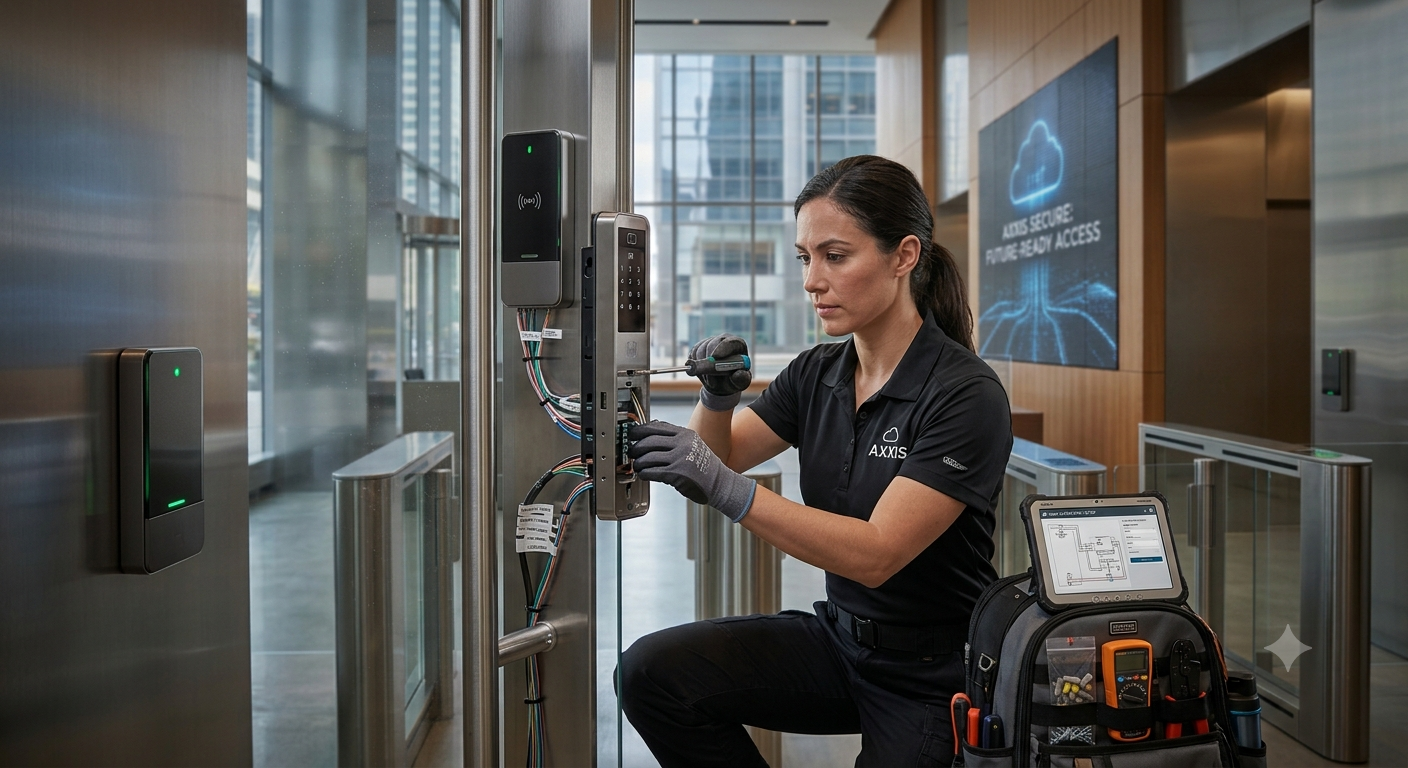
The Evolution of Lock Installation
The lock installation industry has transformed significantly over the last decade.
Traditional mechanical locks remain common, but today's projects increasingly involve:
-
- Electronic locks
- Electric strikes
- Magnetic locks
- Smart locks
- Mobile credential systems
- Cloud-based access control platforms
- Integrated security and building management solutions
As organizations place greater emphasis on security, convenience, and auditability, the role of the door hardware installer has expanded beyond carpentry and locksmithing into networking, low-voltage wiring, and systems integration.
Successful installers must understand both physical door hardware and the electronic systems that power modern access control environments.
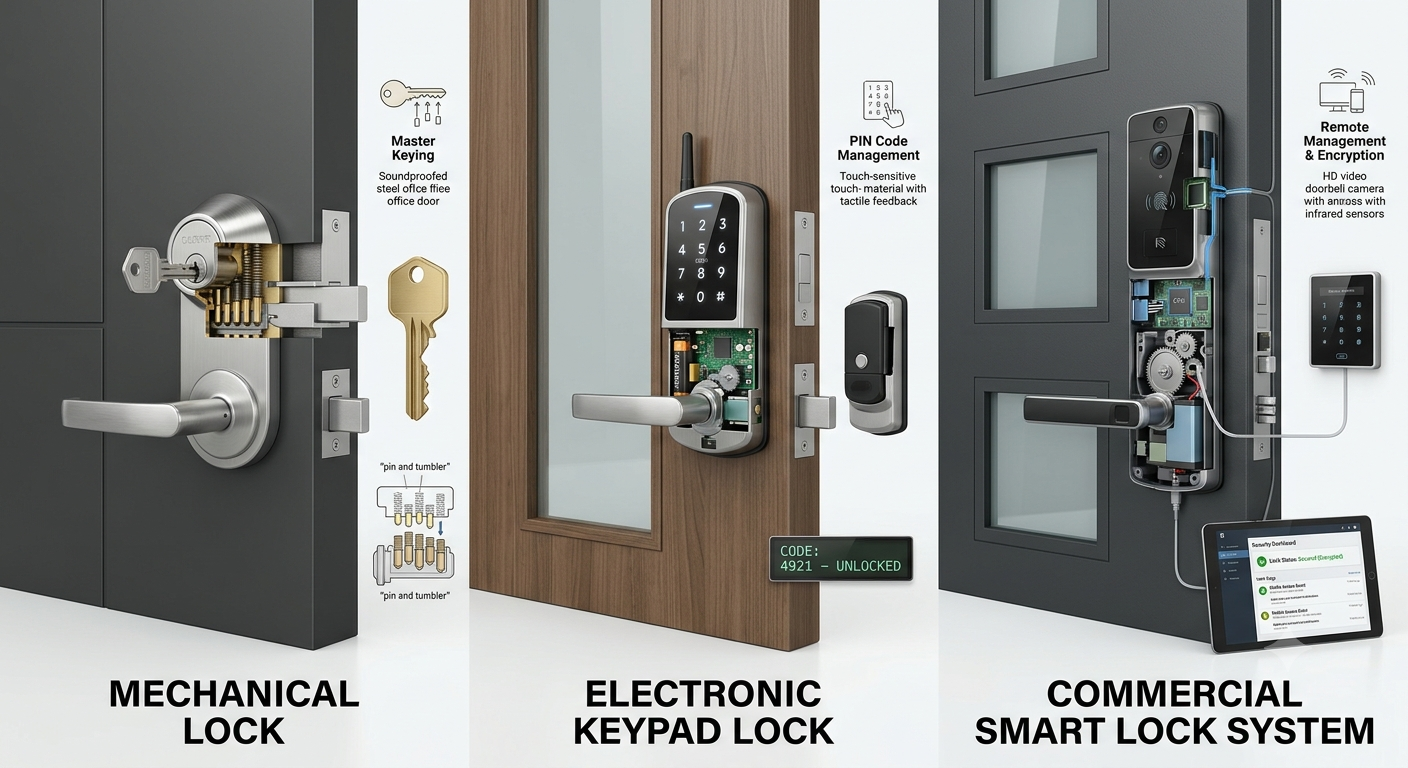
Understanding the Three Main Lock Categories
1. Mechanical Locks
Mechanical locks remain a foundational security solution for many applications.
Common examples include:
-
- Cylindrical locks
- Mortise locks
- Deadbolts
- Exit devices
- Lever sets
Mechanical lock installation is often found in:
-
- Residential homes
- Small businesses
- Utility rooms
- Interior office spaces
While these solutions provide dependable physical security, they lack credential management, activity tracking, and remote administration capabilities.
Best practices include:
-
- Confirming proper door preparation
- Checking latch alignment
- Verifying ANSI/BHMA hardware compatibility
- Testing door closure and latch engagement
Improper alignment remains one of the most common causes of lock failures and service calls.
2. Electronic Locks
Electronic locks bridge the gap between traditional security and modern access control.
Popular options include:
-
- Keypad locks
- RFID card access locks
- PIN-and-card combination locks
- Wireless networked locks
Electronic lock installation is common in:
-
- Schools
- Healthcare facilities
- Office buildings
- Hospitality environments
These systems provide:
-
- User credential management
- Scheduled access permissions
- Audit trails
- Reduced rekeying costs
Installers should always verify power requirements, communication protocols, and door compatibility before beginning installation.
3. Smart Locks and Connected Access Systems
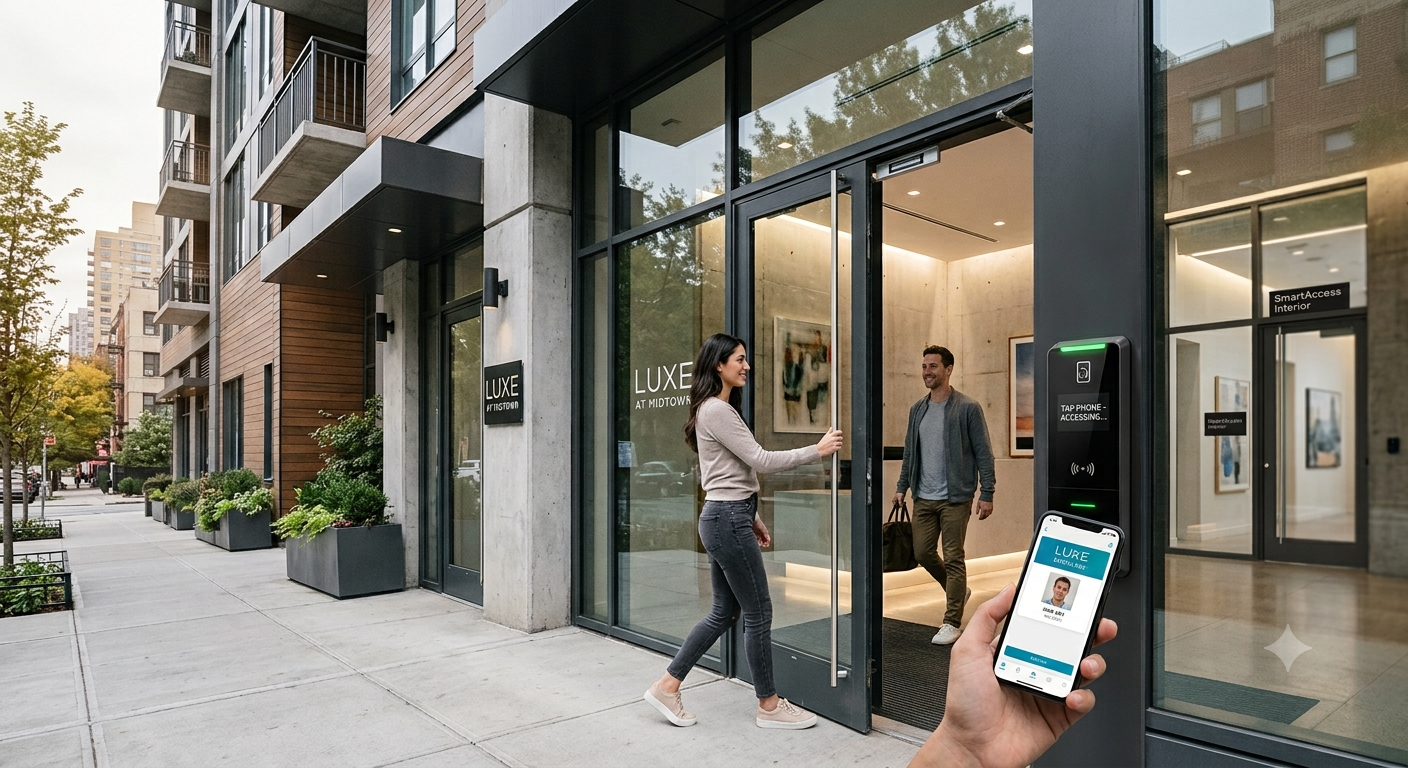
Smart locks for commercial use are becoming increasingly popular due to the flexibility they offer facility managers.
Features typically include:
-
- Mobile phone credentials
- Cloud management
- Remote lock/unlock functions
- Time-based permissions
- Real-time reporting
Common applications include:
-
- Multifamily housing
- Co-working facilities
- Mixed-use buildings
- Enterprise offices
When installing smart locks, network connectivity becomes as important as physical hardware placement. Thorough testing of wireless communication and system synchronization is essential before project completion.
Access Control Integration: The Modern Installer's Advantage
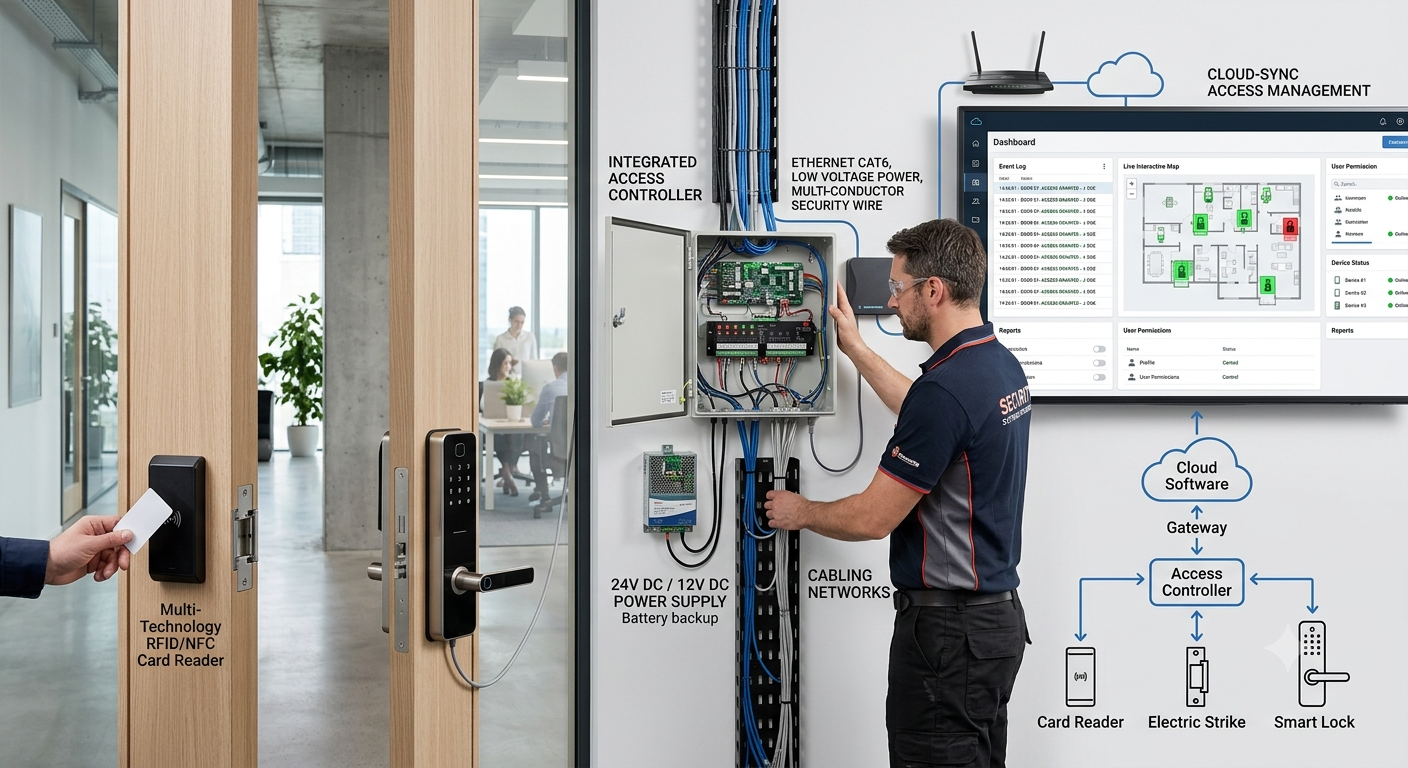
Today's customers increasingly request full access control integration rather than standalone lock installations.
A complete system may include:
-
- Access control panels
- Card readers
- Credentials
- Electric strikes
- Maglocks
- Request-to-exit devices
- Door position switches
- Network infrastructure
- Power supplies
Integrating these components allows organizations to centralize security management and maintain visibility across multiple locations.
For security integrators, understanding how these devices interact is critical for maintaining system performance and minimizing troubleshooting time.
Electric Strike Installation Best Practices
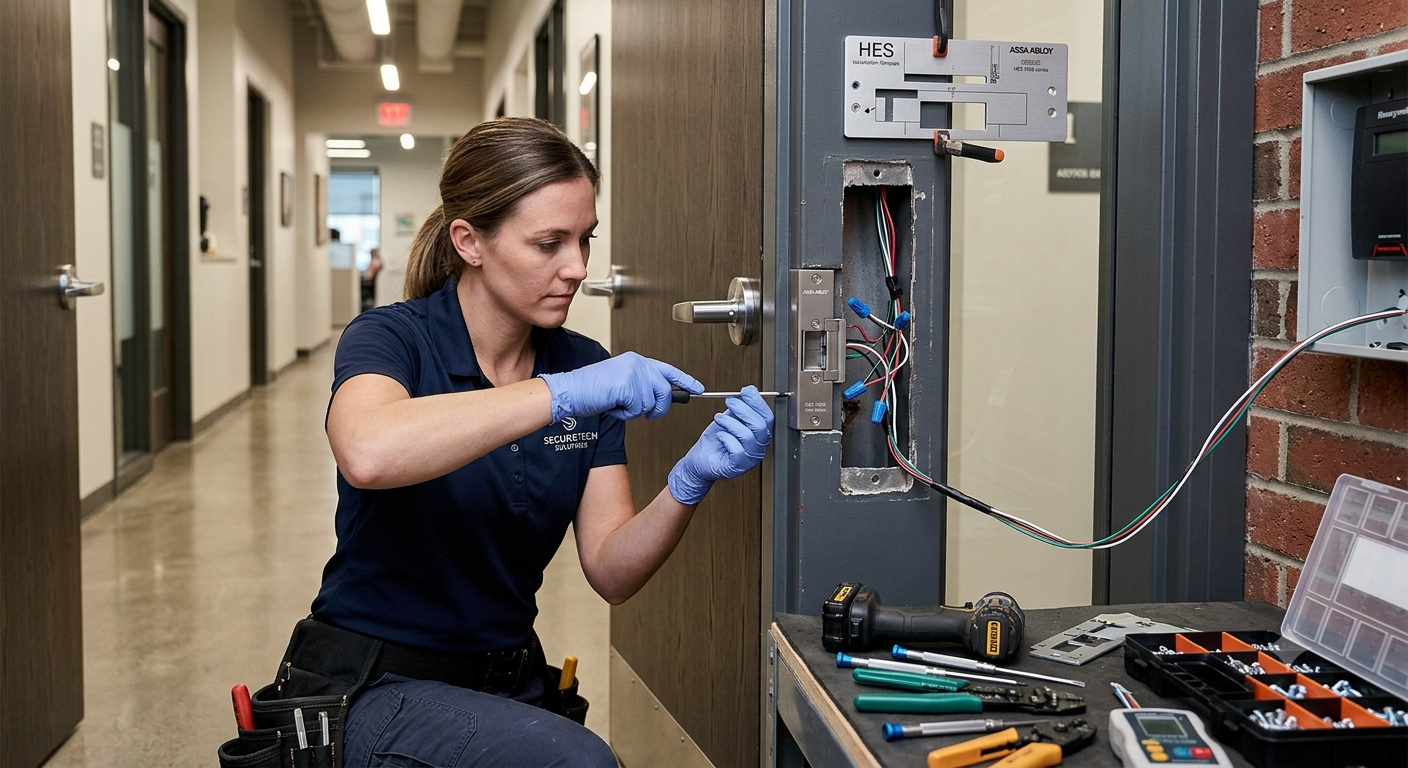
Among access control applications, electric strike installation remains one of the most frequently requested services.
Electric strikes allow existing mechanical locksets to function with electronic access systems while maintaining free egress.
Benefits of Electric Strikes
-
- Cost-effective retrofit solution
- Easier installation compared to complete lock replacement
- Supports credential-based access
- Maintains life-safety requirements
Common Installation Challenges
Frame Compatibility
Many installers encounter issues when the strike body does not align properly with the existing frame preparation.
Solutions include:
-
- Verifying manufacturer templates
- Measuring frame cutouts carefully
- Using field-selectable strike models when possible
Power Delivery
Improper voltage or insufficient current often causes intermittent operation.
Always verify:
-
- Locked rotor current requirements
- Distance-related voltage drop
- Power supply sizing
Door Alignment
Even slight sagging can create latch engagement problems that impact strike performance.
Inspect hinges, frame integrity, and door clearance before completing installation.
Essential Tools for Professional Lock Installation
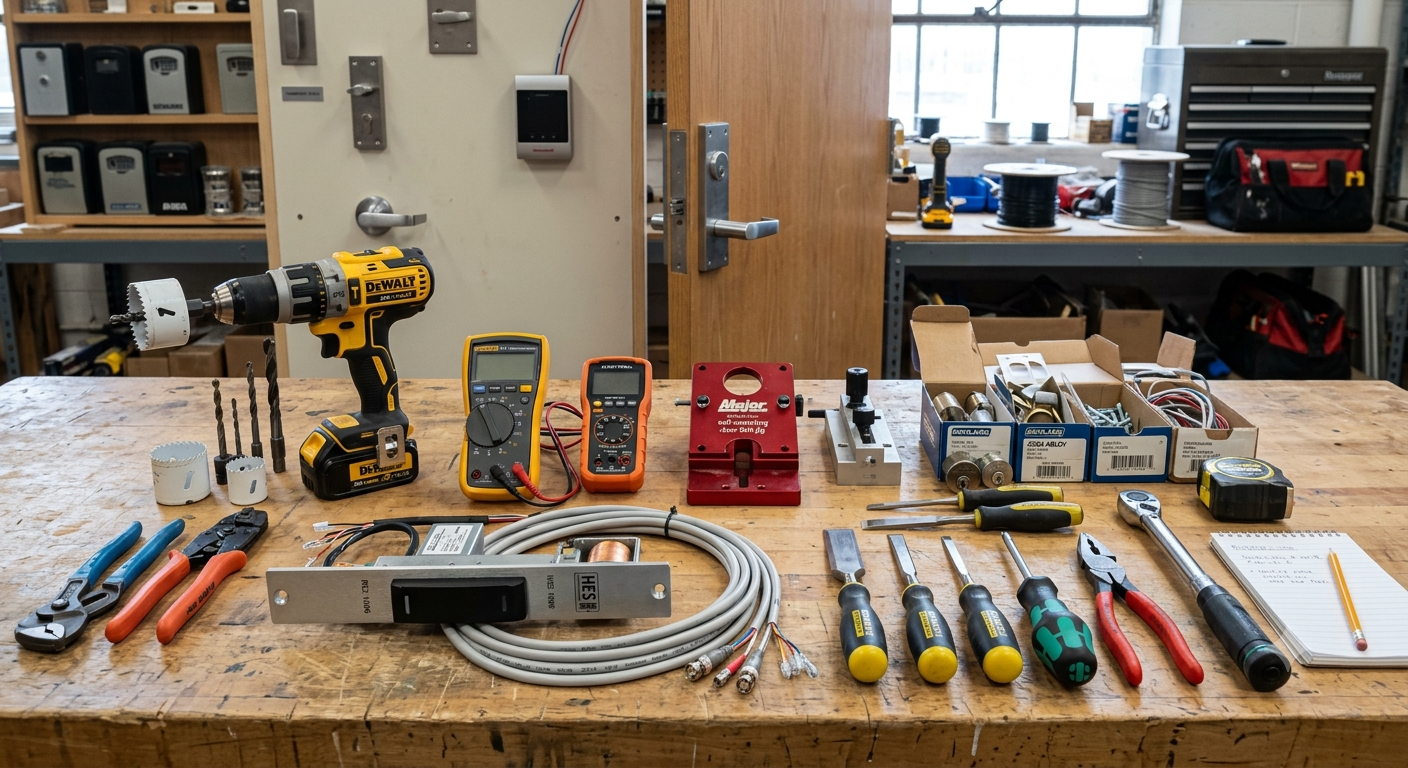
Every installer should maintain a well-equipped toolkit designed for both mechanical and electronic projects.
Mechanical Installation Tools
Essential tools include:
-
- Hole saw kits
- Door jigs
- Mortising tools
- Wood chisels
- Drill drivers
- Digital calipers
- Alignment templates
- Torque screwdrivers
These tools help achieve precise hardware placement while reducing installation time.
Electronic and Low-Voltage Tools
For access control projects, installers should also carry:
-
- Cable testers
- Multimeters
- Tone generators
- Label printers
- Network testers
- Crimping tools
- Fish tapes
- Voltage analyzers
Modern access control integration often requires troubleshooting both hardware and communication infrastructure.
A quality multimeter remains one of the most valuable diagnostic tools available.
Low Voltage Security Hardware Considerations
Many installation issues can be traced back to poor wiring practices rather than faulty hardware.
Common low voltage security hardware includes:
Best practices include:
-
- Maintaining proper cable separation from high-voltage circuits
- Labeling all conductors
- Following manufacturer distance limitations
- Using plenum-rated cable where required
- Documenting cable paths
Well-organized wiring simplifies future maintenance and system expansion.
Power Supplies: The Often-Overlooked Component
One of the most critical aspects of access control is reliable power distribution.
A high-quality power supply should support:
Installers frequently underestimate cumulative current draw when multiple locks activate simultaneously.
Before deployment:
-
- Calculate total system load.
- Include startup current requirements.
- Account for future expansion.
- Verify battery backup calculations.
Oversizing power infrastructure is often preferable to operating at capacity.
Lock Installation in Commercial Buildings
Commercial environments present unique challenges.
Common door types include:
-
- Hollow metal doors
- Aluminum storefront doors
- Wood doors
- Glass entry systems
Installers must coordinate with:
-
- Fire code requirements
- Life safety regulations
- Building management systems
- ADA accessibility standards
In many cases, electronic locking hardware must balance security with emergency egress requirements.
Careful planning before drilling or door modification can prevent costly rework.
Multifamily and Residential Applications
The rise of smart home technology has accelerated demand for connected locking solutions.
Typical residential projects include:
In multifamily buildings, installers often deploy:
Scalability becomes especially important when managing dozens or hundreds of doors across a property portfolio.
Reducing Installation Time and Callbacks
Efficiency directly impacts profitability.
Successful installers follow repeatable processes such as:
Standardized Site Surveys
Document:
-
- Door type
- Frame type
- Existing hardware
- Power availability
- Network access
- Fire rating requirements
Pre-Staging Equipment
Whenever possible:
-
- Program locks before deployment
- Label devices
- Configure controllers off-site
- Verify firmware updates
Thorough Testing
Before project closeout:
-
- Test every credential
- Verify lock schedules
- Confirm fail-safe/fail-secure operation
- Validate battery backup functionality
- Perform emergency egress testing
Comprehensive testing significantly reduces return visits.
Future-Proofing Access Control Installations
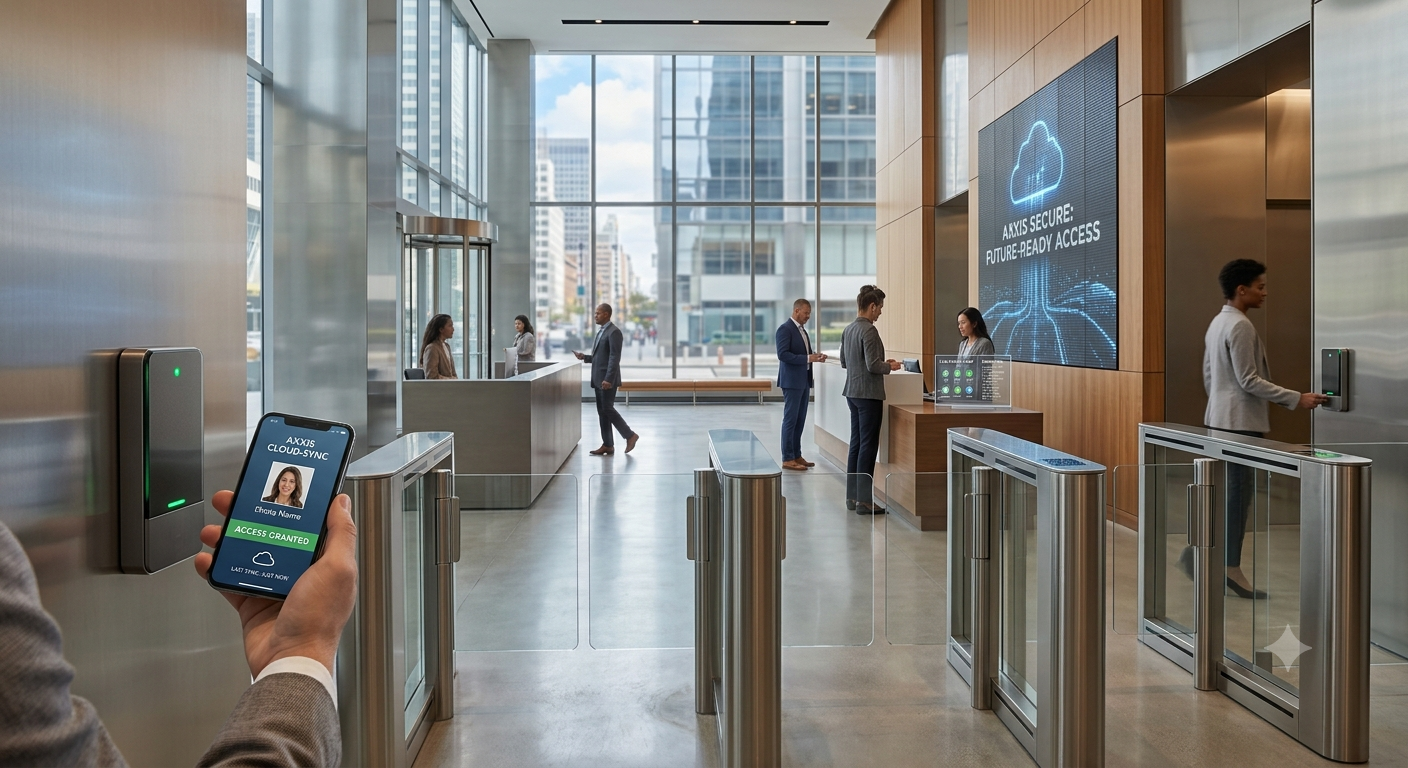
Modern customers expect solutions that can grow alongside their organizations.
Future-proof installations typically include:
-
- Expandable access control platforms
- Cloud management capabilities
- Mobile credential support
- Standardized wiring infrastructure
- Scalable power systems
Selecting hardware that supports future expansion can save clients significant costs and position integrators as trusted advisors rather than commodity installers.
Recommended Hardware Categories for Professional Installers
When planning projects, contractors should evaluate solutions across several core categories:
Many distributors, including BLVS, offer these product categories, allowing installers to source complete security solutions from a single supplier while maintaining consistent project standards.
Conclusion
Modern lock installation requires a blend of mechanical expertise, electronic integration knowledge, and low-voltage infrastructure experience. From traditional locksets to cloud-connected access control systems, today’s door hardware installer plays a critical role in building secure, scalable
environments.
By following proven installation practices, selecting high-quality low voltage security hardware, and understanding the fundamentals of access control integration, installers can improve project outcomes, reduce service calls, and deliver long-term value to clients.
Whether you're performing a straightforward lock installation, completing an electric strike installation, or deploying smart locks for commercial use throughout a multi-site facility, investing in the right tools, hardware, and processes will help ensure every project meets the highest standards of security, compliance, and reliability.