Aug 11th 2026
AI Driven Security Cameras: Are They Worth the Upgrade?

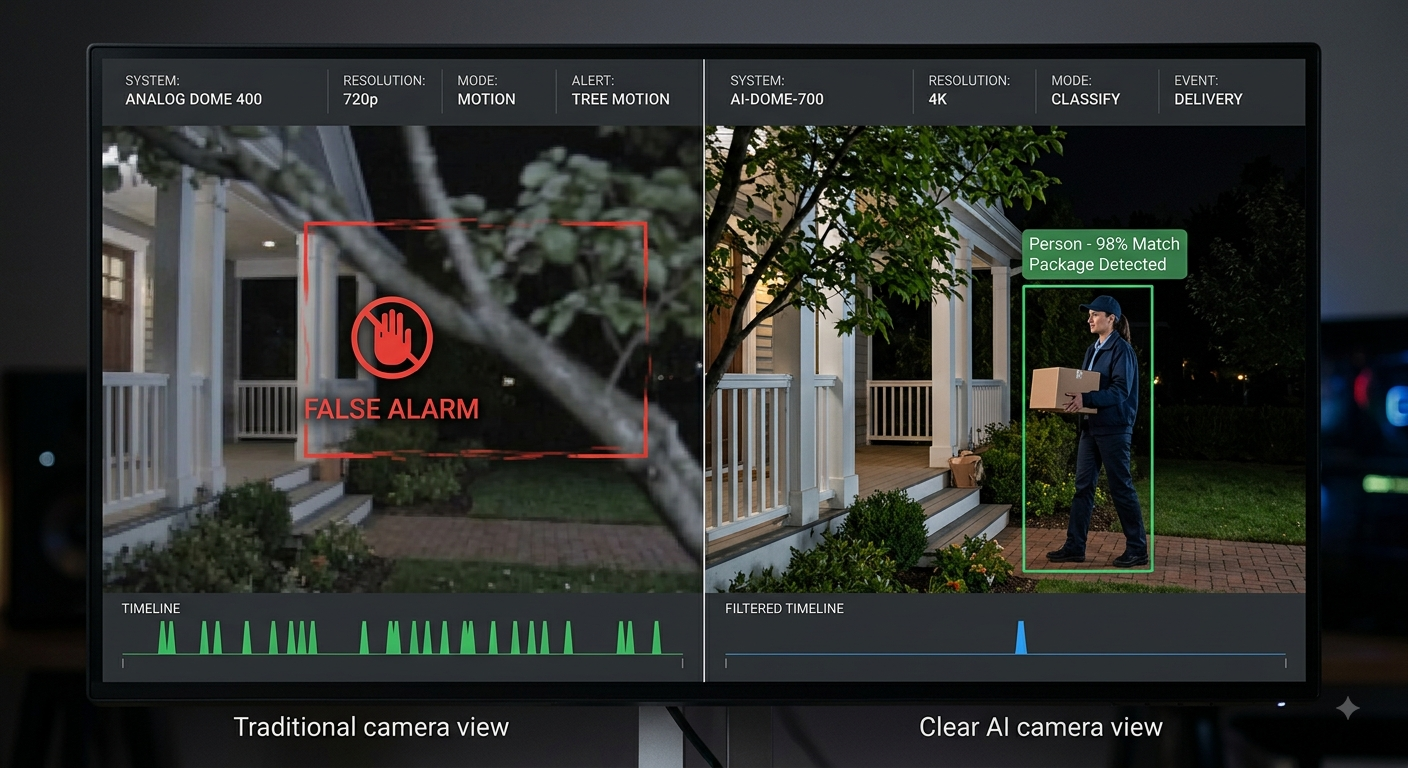
For years, home and business security cameras operated on simple principles: continuous recording, pixel-based motion detection, and periodic infrared night vision. While functional, standard cameras often left users dealing with endless false alarms triggered by swaying tree branches, passing headlights, shadow shifts, or neighborhood stray cats.
Every notification created minor panic, eventually leading to notification fatigue—where real security alerts risk being ignored altogether.
Enter AI-driven security cameras. Powered by localized machine learning models, computer vision, and specialized onboard Neural Processor Units (NPUs), modern surveillance systems promise to eliminate false alerts, identify precise targets, and transform security from passive recording into proactive deterrence.
But with premium hardware price tags and optional cloud subscriptions, are they actually worth the upgrade?
Let’s break down how they work, key advantages, and whether you should upgrade your setup.
1.What Makes AI Cameras Different from Traditional Cameras?
Traditional security cameras rely on basic pixel-change detection. If pixels in a frame change rapidly, the camera registers "motion."
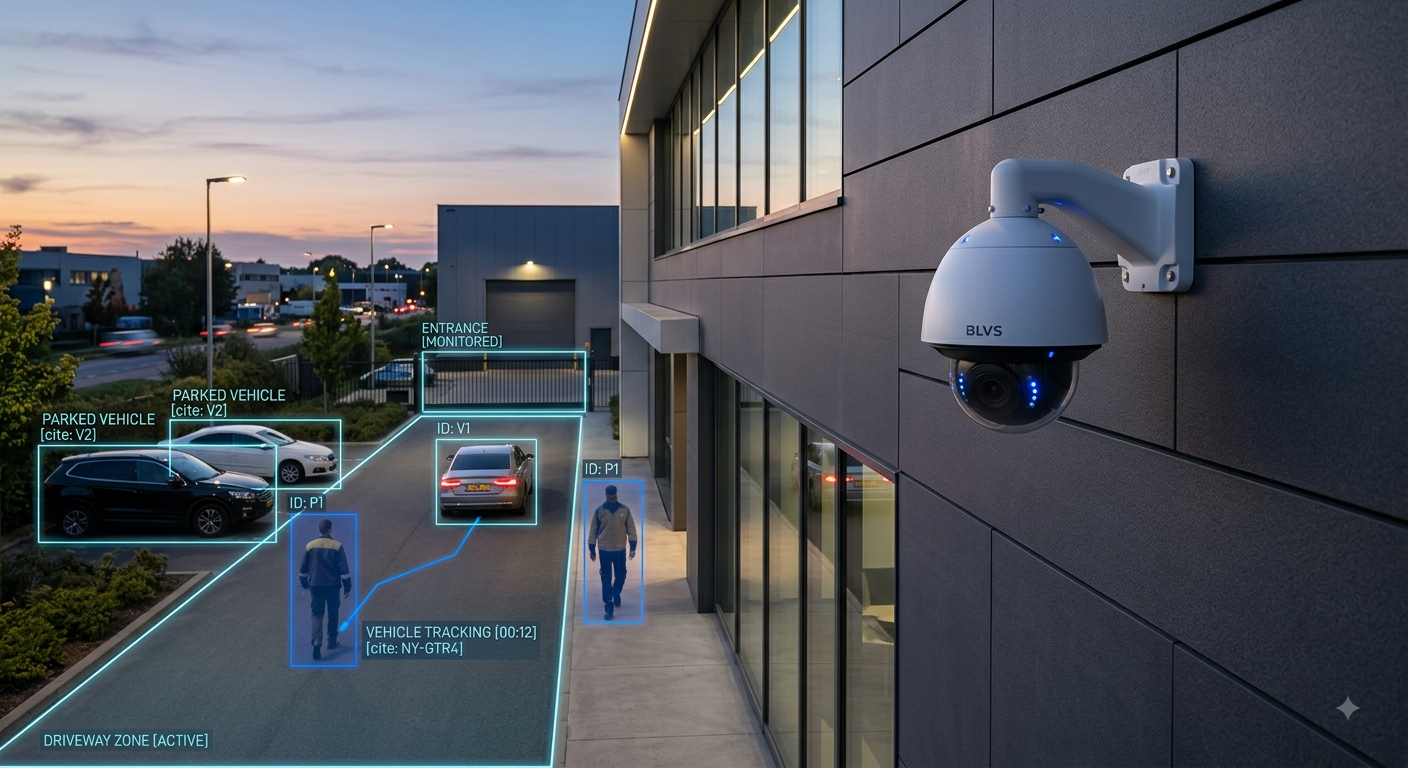
AI security cameras, however, process video streams in real-time using trained computer vision algorithms capable of object classification and behavior analysis.
Key Difference: A standard camera tells you "Something moved."
An AI-driven camera tells you "A person is standing at your back door holding a package" or "An unrecognized vehicle has been idling in your driveway for 10 minutes."
Core Capabilities of AI Security Systems:
-
Advanced Object Classification: Instantly distinguishes between humans, vehicles, animals, packages, and general background environmental movement.
-
Facial & Vehicle Recognition: Identifies known family members, employees, or registered license plates, alerting you only when an unrecognized entity is detected.
-
Perimeter & Cross-Line Detection: Allows you to draw virtual boundaries. Alerts trigger only when an object crosses into a restricted zone or lingers for a suspicious period (loitering detection).
-
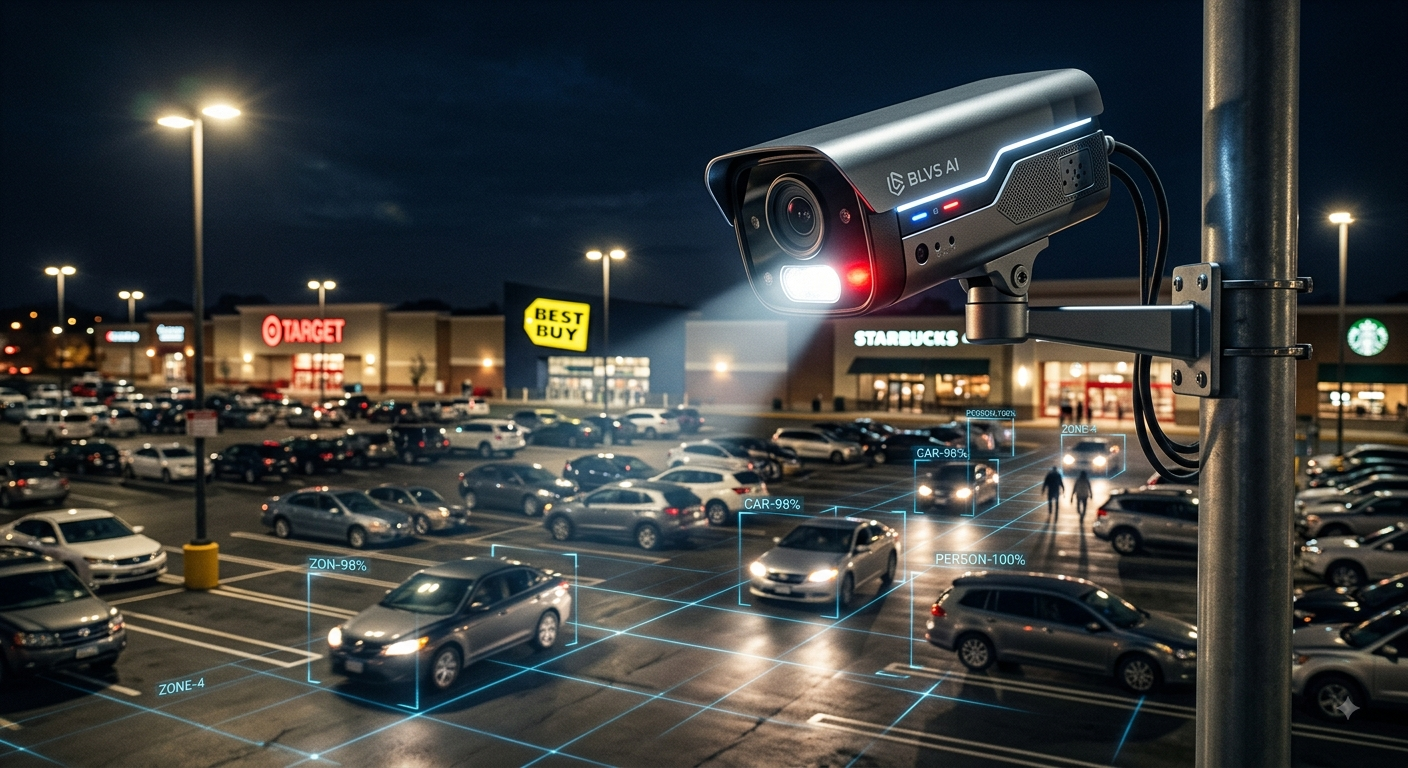
Proactive Active Deterrence: Uses edge AI to trigger integrated spotlights, sirens, or automated custom voice warnings the second an intruder steps onto your property.
Feature Comparison: Traditional vs. AI-Powered Security
Feature/Capability |
Traditional Motion Cameras |
AI-Driven Security Cameras |
False Alarm Rate |
High (Triggered By Wind, Rain, Bugs, Shadows) |
Extremely Low (Filtered By Object Recognition) |
Notification Quality |
Generic "Motion Detected" Alerts |
Detailed "Person/Vehicle/Package Detected" |
Search & Playback |
Manual Scanning of Hours of Footage |
Instant filtered search ("Show All Red Cars") |
Processing & Latency |
Cloud Dependent or Passive DVR |
On-Device (Edge NPU) for Sub Second Alerts |
Bandwidth Usage |
High Continuous Cloud Upload Required |
Low (Uploads Only Key Events or Smart Metadata) |
3. The Real Benefits: Why Make the Switch?
- Eliminating Notification Fatigue
The single greatest practical advantage is the dramatic reduction in false positives. By filtering out non-threatening movements, you regain trust in your security notifications. When your phone buzzes, you know it actually requires your attention.
- Smart Event Filtering & Rapid Search
If an incident occurs, scouring through 24 hours of continuous footage is tedious. AI surveillance platforms tag metadata directly into saved events. You can instantly filter clips by specific criteria—such as "person detected near garage between 2 AM and 5 AM"—saving crucial time during security investigations.
- Privacy & On-Device Edge Computing
Modern AI cameras perform inference directly on the device using onboard NPUs. This means your video feeds don't necessarily need to be streamed to a third-party cloud server for processing, keeping your visual data private and reducing subscription costs associated with cloud computing.

4. The Drawbacks & Potential Trade-Offs
-
Higher Upfront Hardware Costs: AI cameras feature faster processors and higher-quality image sensors, making them 20% to 50% more expensive than standard high-definition cameras.
-
Potential Subscription Lock-In: Some brands gate advanced AI features (like facial recognition or multi-object tracking) behind monthly cloud plans. Look for brands offering local edge processing if you prefer zero ongoing fees.
-
Lighting Requirements: While AI algorithms are accurate, object recognition accuracy drops in pitch-black environments without proper infrared (IR) or full-color night vision support.
Purpose: Connects the tech benefits directly to the low-voltage contractor and installer audience, reinforcing distributor products.
The Final Verdict: Are They Worth It?
Yes, absolutely—for most property owners.
If you currently deal with frequent false alarms, manage high-value equipment, receive regular package deliveries, or monitor large outdoor areas, the peace of mind, time saved, and proactive deterrence make AI security cameras well worth the investment.
For small indoor spaces or basic single-room monitoring where false alarms are minimal, traditional cameras may still suffice. However, as AI hardware costs continue to drop, AI capability is rapidly moving from a luxury add-on to the baseline standard for modern security systems.